THE MOVEMENT
Access isn’t a favor — it’s a right.
Silence isn’t the problem. The world’s refusal to listen is.
THE PROBLEM
"I often feel like a goldfish in a bowl — close enough to see life happening, but separated by an invisible wall no one else notices."
Schools
Deaf students still face language deprivation.
CODAs like my son have no access to learn ASL.
Teachers rarely have Deaf awareness training.
Government
City offices lack live chat or text access.
Public meetings often exclude Deaf attendees.
ADA compliance is treated like a courtesy, not a right.
Daily Life
No captioning on local content or livestreams. Even the largest platforms often overlook captioning.
Housing lacks visual alerts or Deaf access features.
Even paying a bill requires hearing assistance.
The list of businesses, programs, and events that fail to meet ADA accessibility grows every day — for me, this isn’t theory. It’s my daily reality.
Something as simple as paying a bill, calling my insurance, or scheduling an appointment becomes an obstacle course of phone systems, missing captions, and “no text option available.” Most companies don’t offer live chat or written communication. Local events stream without captions. Public offices still rely on phones as the only point of contact.
Accessibility exists — it’s just rarely applied.
For the Deaf community, this isn’t inconvenience — it’s exclusion.
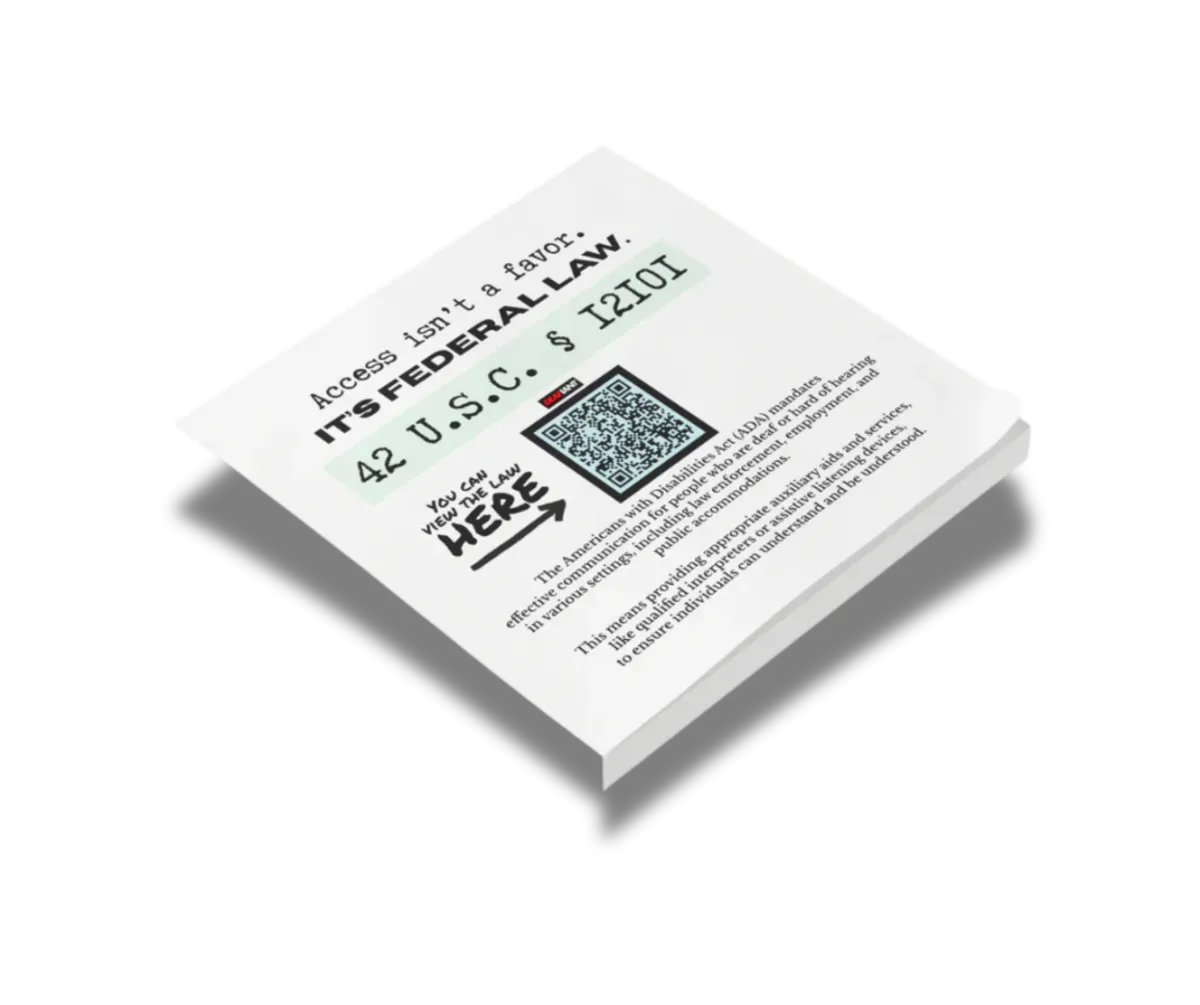
Under Title 42, communication access isn’t optional — it’s the law.
WHAT THE ADA SAYS
The Americans with Disabilities Act (ADA) guarantees equal access for individuals who are Deaf or Hard of Hearing — in public spaces, employment, schools, housing, and government services.
Businesses, schools, and public agencies are legally required to provide effective communication through tools and accommodations such as:
Qualified ASL interpreters for appointments, classes, or events
Real-time captioning or transcripts for videos and meetings
Assistive listening devices in public spaces
Written or digital communication options like email, text, or live chat
Visual alerts for safety and emergency notifications
These are called auxiliary aids and services — not extras, but essentials that make communication possible.
Yet, for most Deaf and Hard-of-Hearing people, these rights exist more on paper than in practice.
Every time a company uploads a video without captions or a school hosts an event without interpreters, a door quietly closes on someone’s ability to belong.
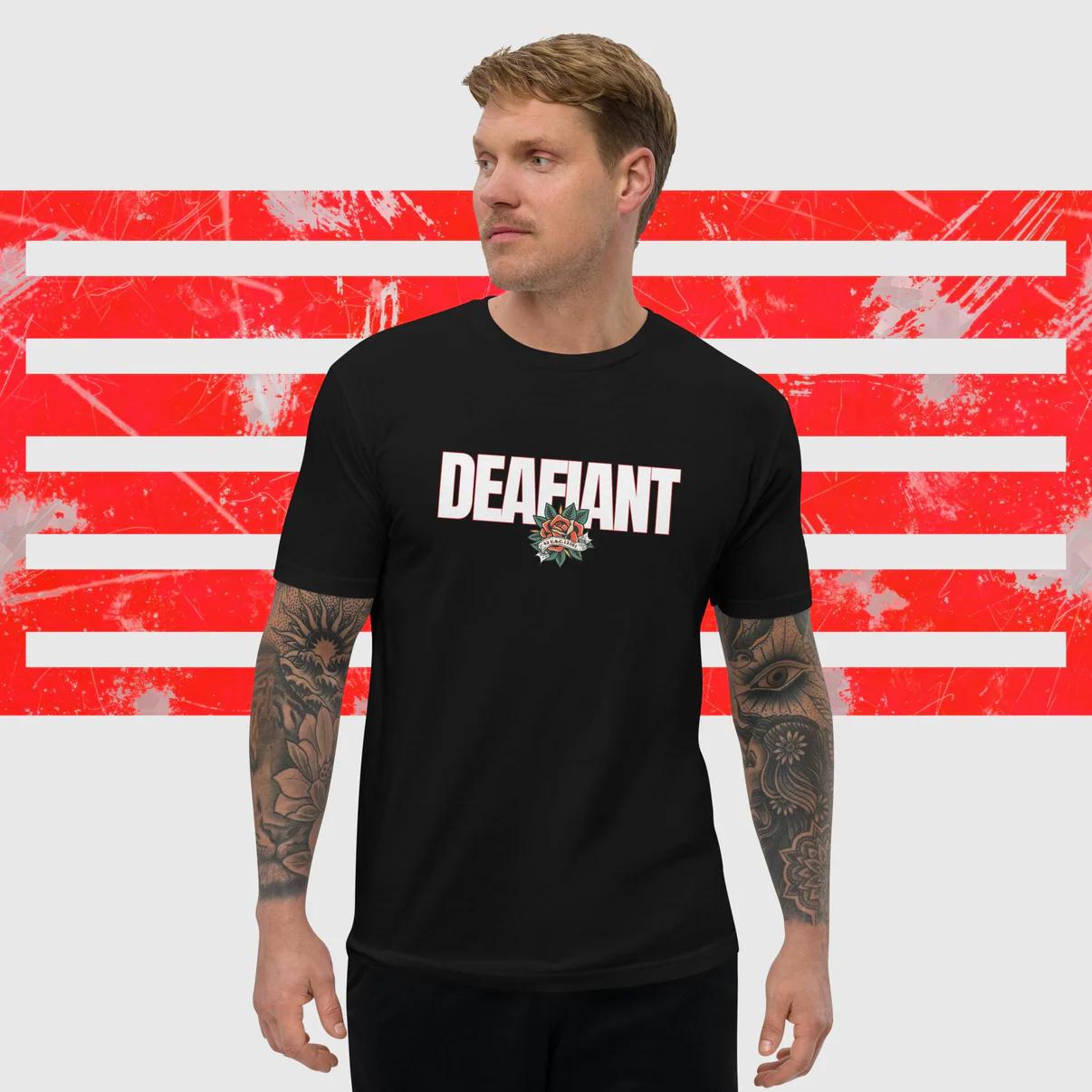
Find official Title 42 exclusive gear in the DEAFIANT Apparel shop. Rep your RIGHTS to access.
On paper, the ADA protects people like me. But in reality, I rarely see those protections honored. In Kansas City, I can’t call my insurance, pay a utility bill, or attend a public event without running into barriers that shouldn’t exist in 2025. There’s no live chat, no captions, no simple way to communicate. It’s not about ability — it’s about access. The technology exists.
The law exists. What’s missing is the will to apply it.
How to Be ADA-Compliant (and Actually Inclusive)
For businesses, schools, housing providers, and local government
The ADA already outlines what’s required — but accessibility goes beyond compliance.
True inclusion means building systems that don’t force Deaf and Hard-of-Hearing people to fight for what’s already their right.
Communication Access
Offer live chat, text, or email options — not just phone numbers.
Train staff to answer relay calls professionally (never hang up).
Provide captioning or real-time transcription for meetings, events, and online content.
Visual & Digital Access
Caption all videos, reels, and livestreams.
Add open captions on public screens and in waiting areas.
Ensure your website and PDFs are accessible to screen readers and include visual communication options.
Interpretation & Support
Provide qualified ASL interpreters upon request for appointments, interviews, and public events.
Partner with certified interpreter agencies or video remote interpreting (VRI) services.
Use assistive listening devices or captioning displays in group settings.
Workplace & Public Spaces
Post signs clearly showing communication options (email, chat, interpreter available, etc.).
Install visual alert systems — doorbells, alarms, emergency notifications.
Budget for ADA accessibility like you budget for Wi-Fi — it’s that basic.
Culture & Awareness
Train all employees on Deaf awareness and etiquette.
Hire and collaborate with Deaf professionals to guide inclusion authentically.
Remember: Deafness exists on a spectrum — from hard-of-hearing to late-deafened, CI users, and non-signers. Access must meet all of them.
Accessibility isn’t expensive — exclusion is.
The simplest adjustments — captions, live chat, or trained staff — can open the world to millions of people who’ve been left out of it.
Accessibility for the deaf and HOH isn't that hard - it just takes empathy.
IT'S NOT COMPLICATED - JUST ASK
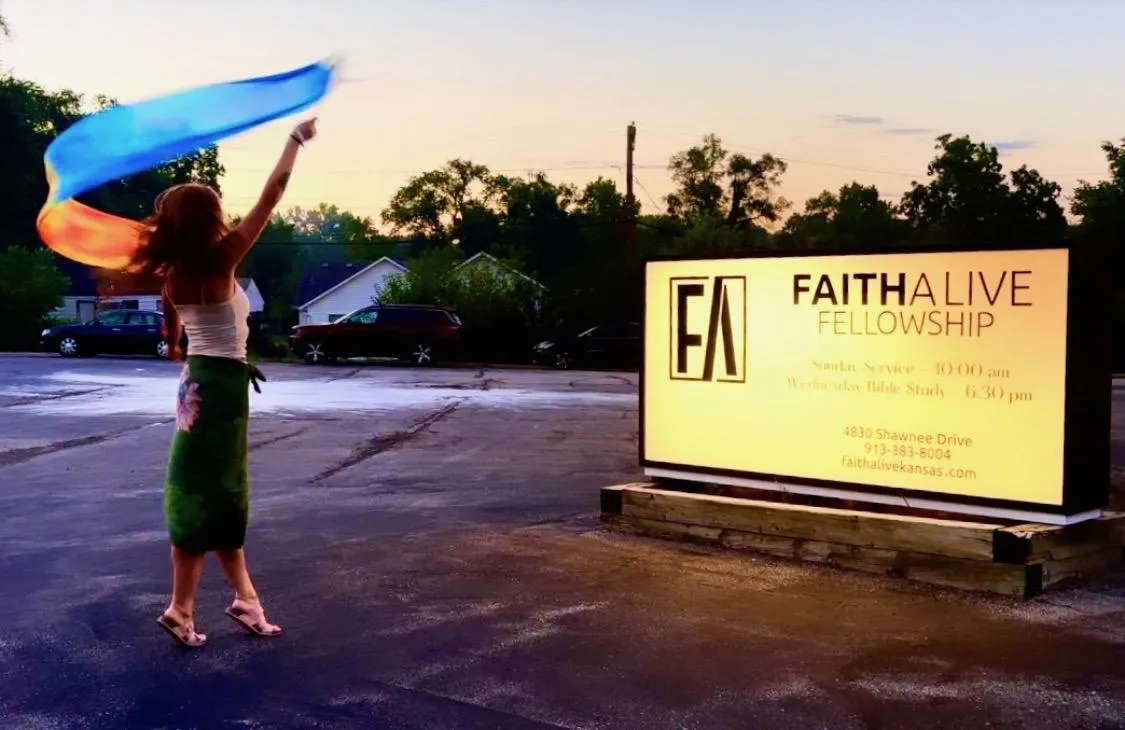
When I lost my hearing, my pastor at Faith Alive Fellowship Church didn’t make a spectacle out of it — he simply asked me what I needed to access the sermon. All I said was, “Captions.” So they added a small TV behind him with live captions. That single, simple act made Faith Alive Fellowship Church one of the only Deaf-inclusive churches in the area — not because of a grant or a committee, but because someone cared enough to ask. Accessibility doesn’t always take money. Sometimes, it just takes a question. “What do you need so you can be included?” It changed everything for me — and it’s something every organization, school, or church can do right now.
Over 98% of Deaf people worldwide have no access to the Gospel because churches don’t provide captions or interpreters. Faith Alive Church in Kansas City, Kansas chose to change that — and in doing so, they gave me back access to my faith.
This isn’t just talk. I’m not waiting for change — I’m building it.
JOIN THE MOVEMENT
I’ve written to Kansas City’s government and schools, challenged local agencies, and started real conversations with leaders about accessibility and inclusion. I’ve shared my story publicly — not for sympathy, but for change.
And I’m inviting you to join me.
Because accessibility doesn’t just happen — people make it happen.
WHAT I'M DOING
I’ve written an Open Letter to Kansas City — calling on local leaders, schools, and organizations to uphold ADA compliance and true communication access for Deaf residents.
I’m working to build DEAFIANT Voices, a community-driven platform where Deaf, Hard-of-Hearing, CODAs, and allies can share their stories and spark local change.
I’m collaborating with small businesses and churches (like Faith Alive) to model simple, affordable steps toward inclusion — starting with asking what’s needed.
I’m creating educational resources for schools, workplaces, and city departments to implement real access — captions, interpreters, live chat, Deaf training, and more.
If you believe in this movement — in access, equity, and visibility — here’s where to start:
stay bold. stay deafiant.
HOW YOU CAN JOIN
This is more than a brand — it’s a movement.
And it starts right here, in Kansas City.
How YOU can be DEAFIANT
Support Deaf-owned businesses. There are fewer than 1,000 in the entire country.
Every purchase, share, and shoutout makes a difference.Start conversations with your schools, workplaces, and churches about accessibility.
Feature Deaf creators, artists, and professionals in your networks.
Share your story. Submit your experiences, victories, and challenges — I’ll feature them on the Voices page to amplify awareness and representation.
Partner with DEAFIANT. Whether you’re a business, church, or advocate, let’s collaborate on building inclusion that lasts.

If you want to join the movement, collaborate, or share your story, connect with me:
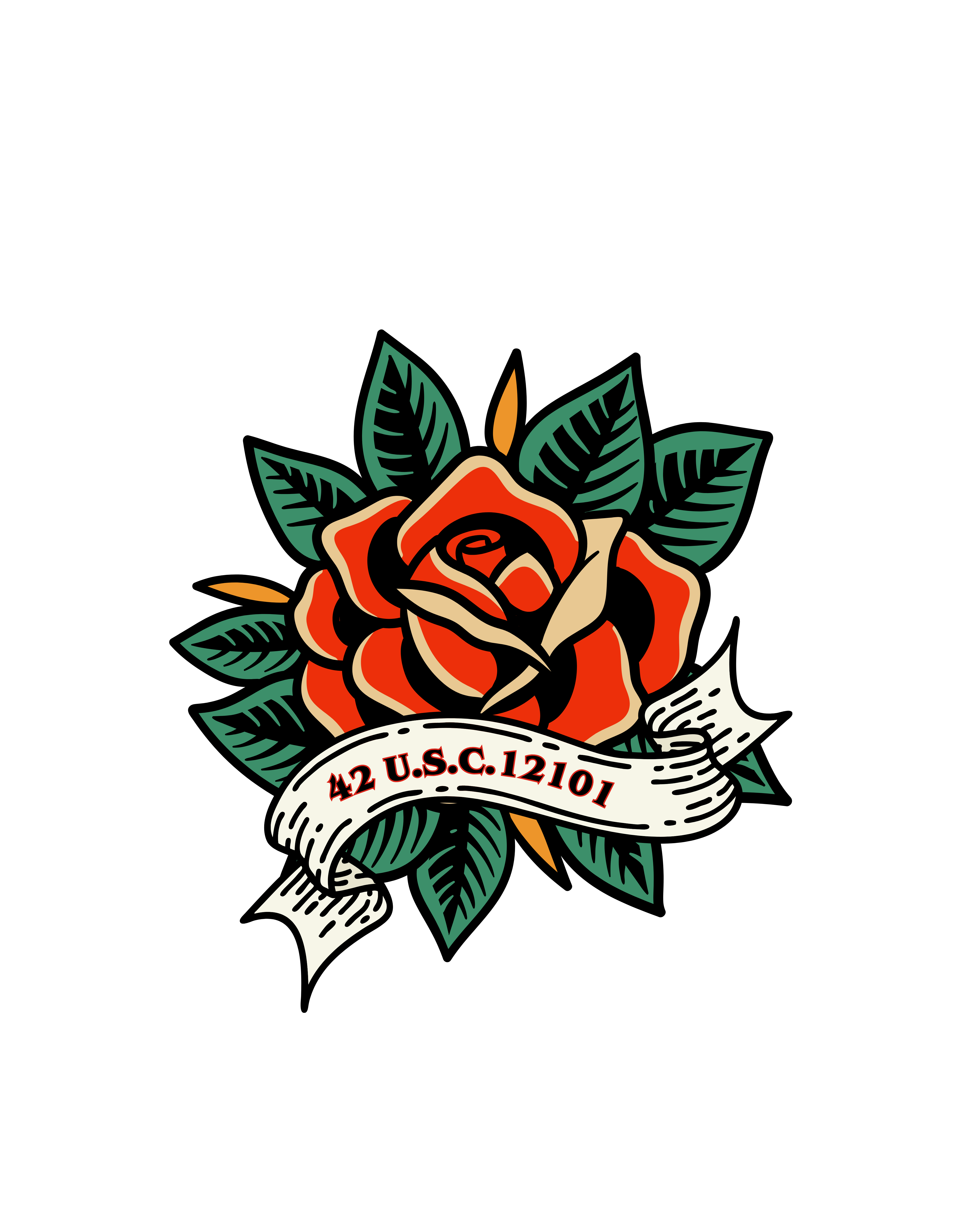
every piece you wear amplifies Deaf voices
Join the movement. Wear the message.
Deaf owned. DEAFiantly operated.
Inspired by the law that protects Deaf voices — and the fight to make it real.
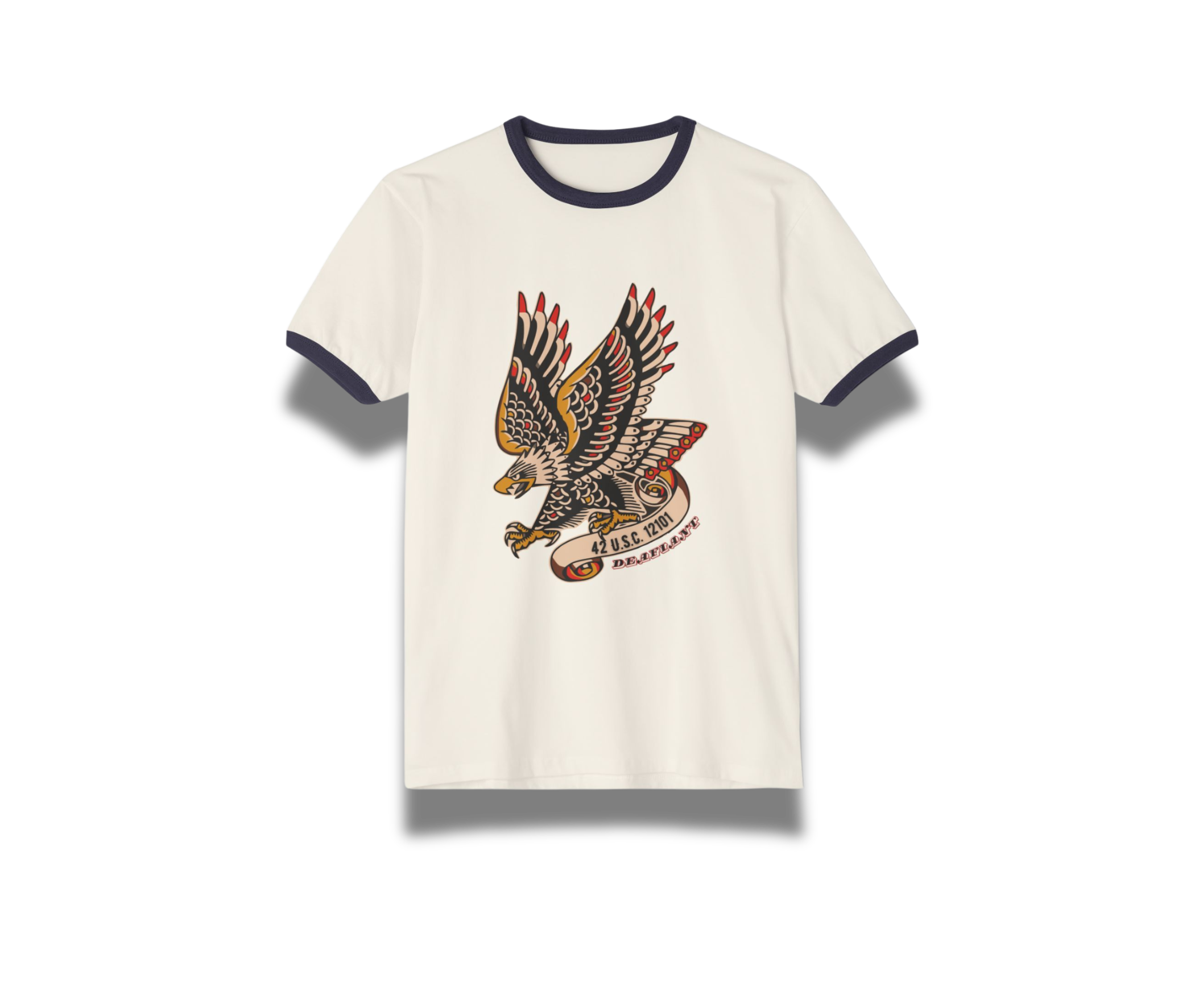
Shop the exclusive ADA Civil Rights Code — Title 42, Section 12101 Collection
Whether you sign, speak, write, or vibe in silence — this collection makes it clear:
Your voice matters. Your rights are federal. And your presence is protected.
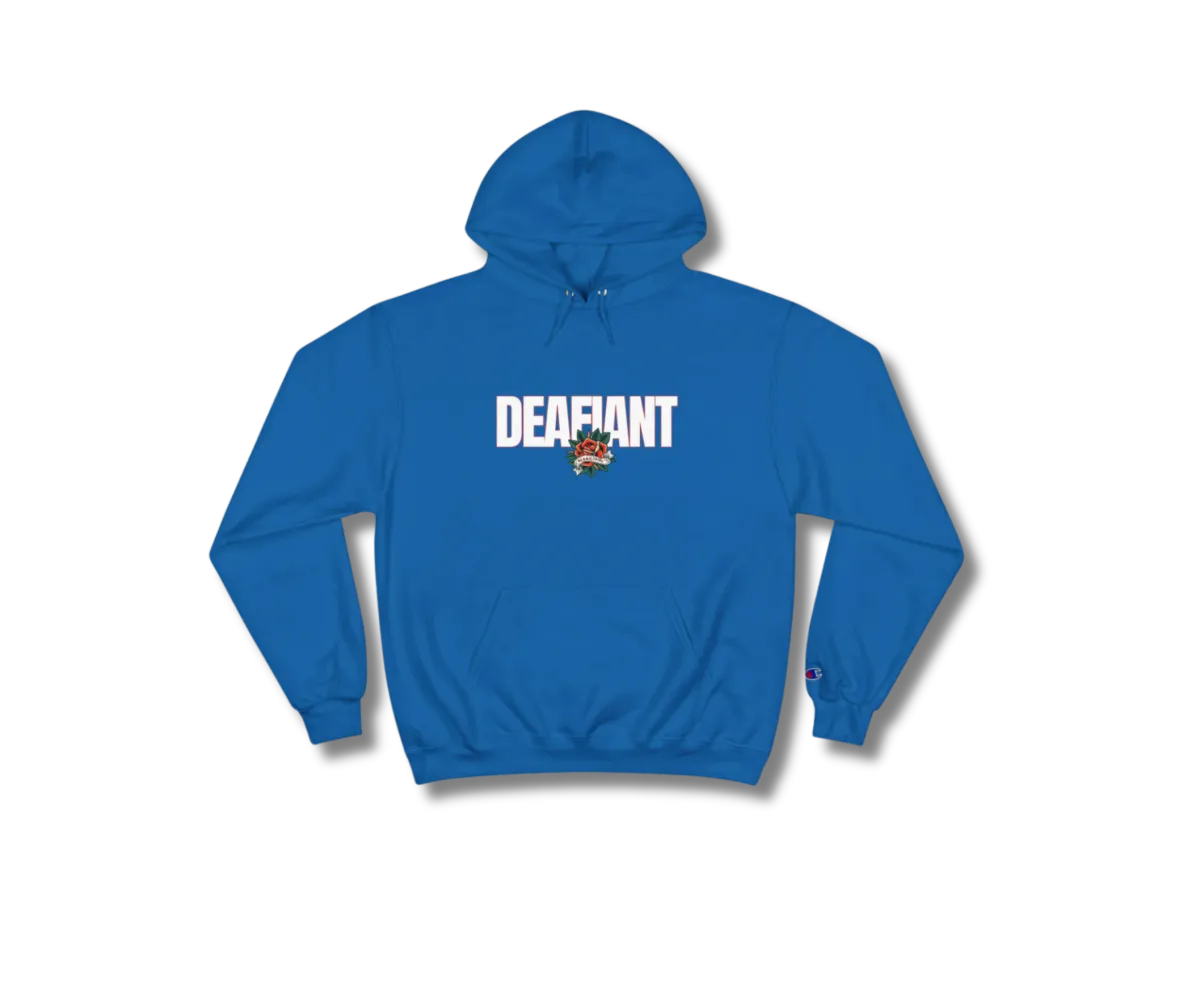



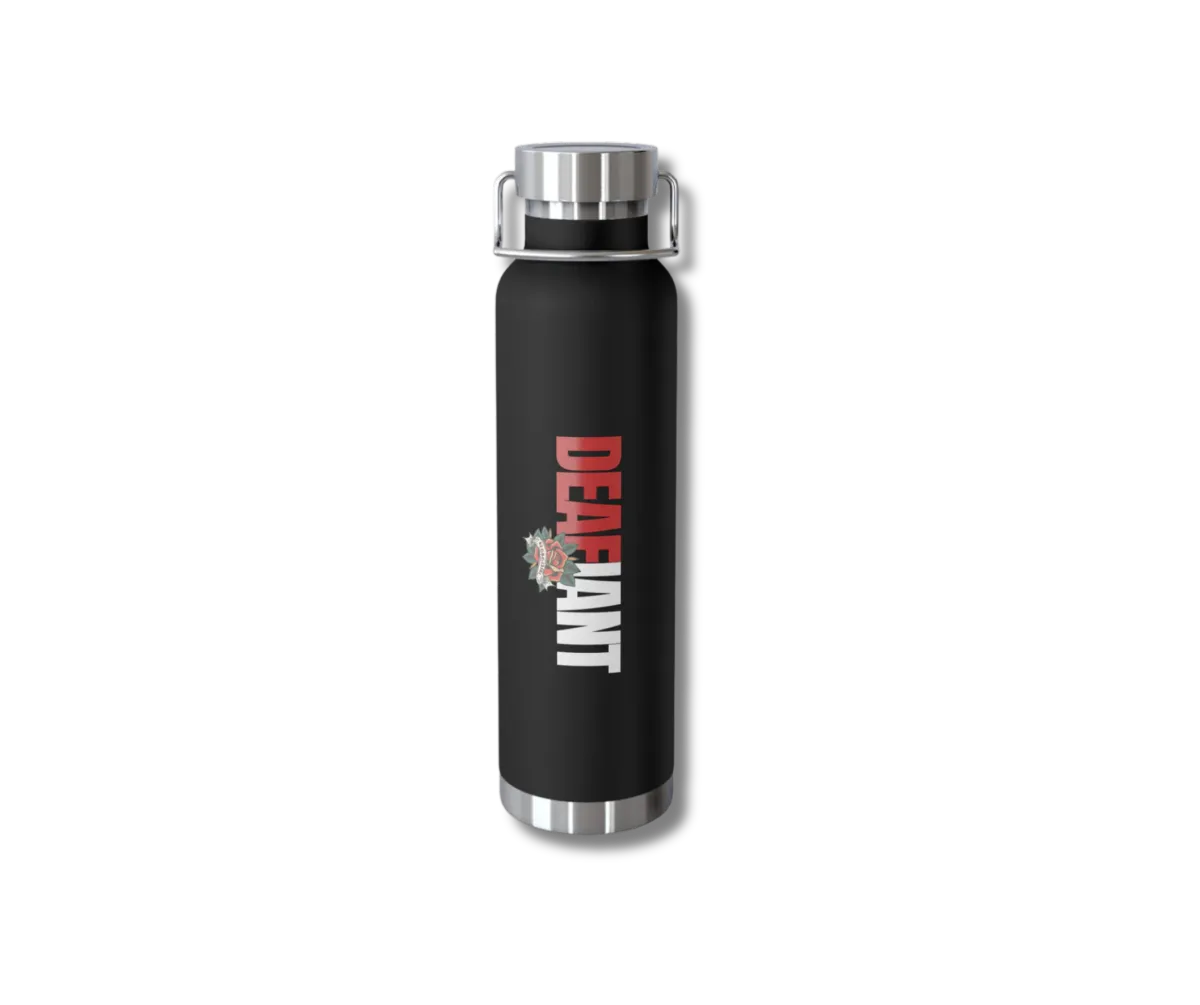
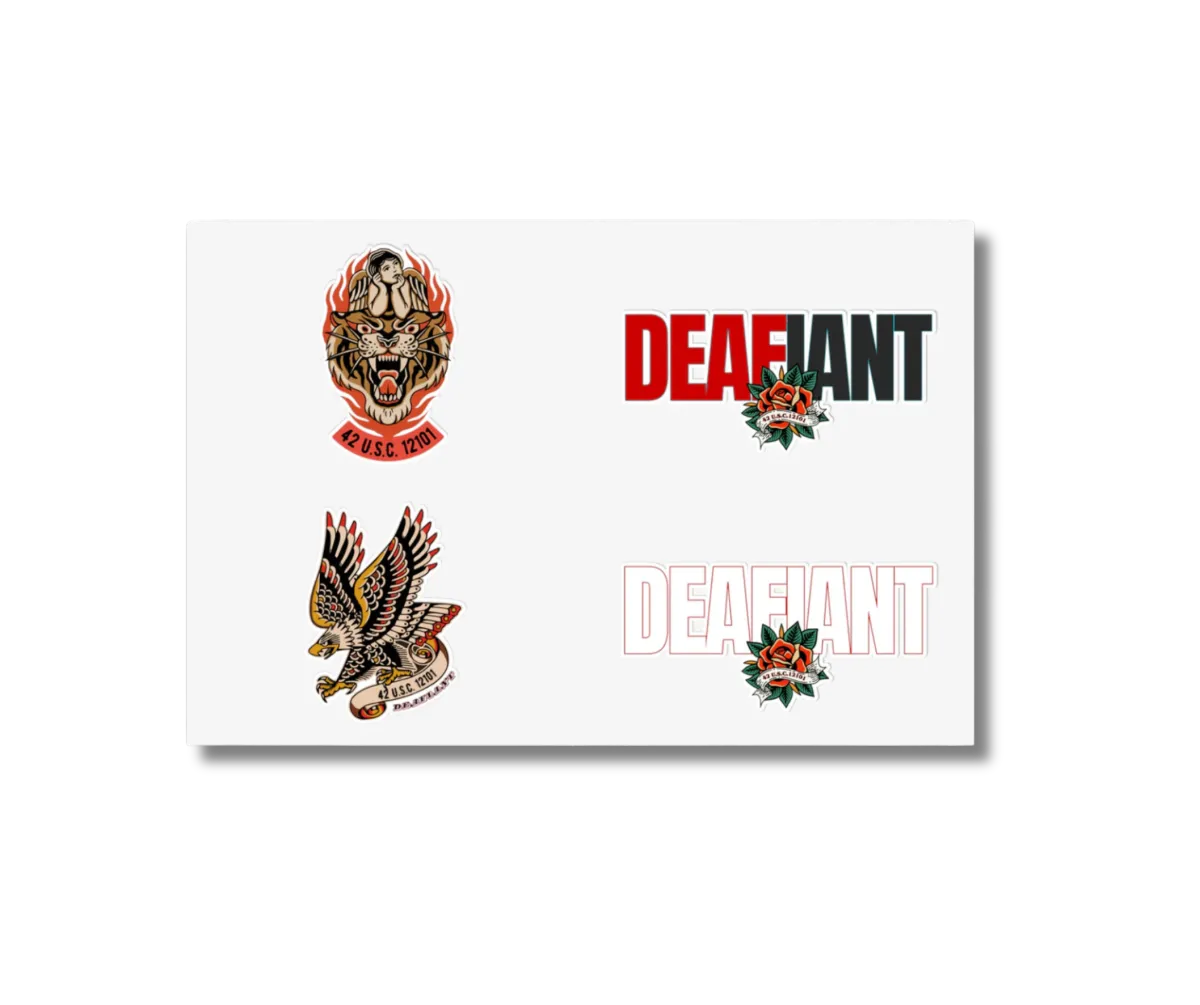
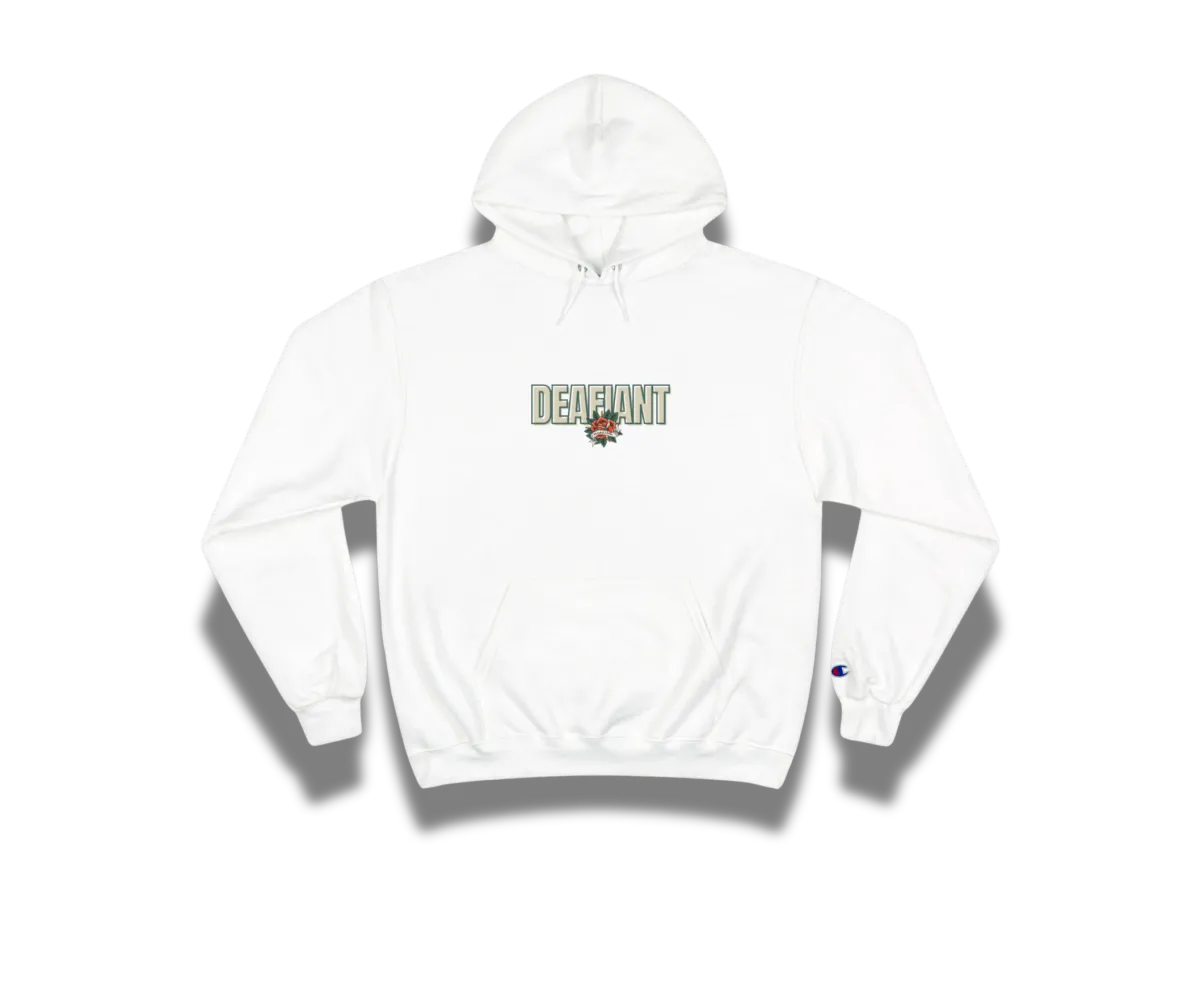
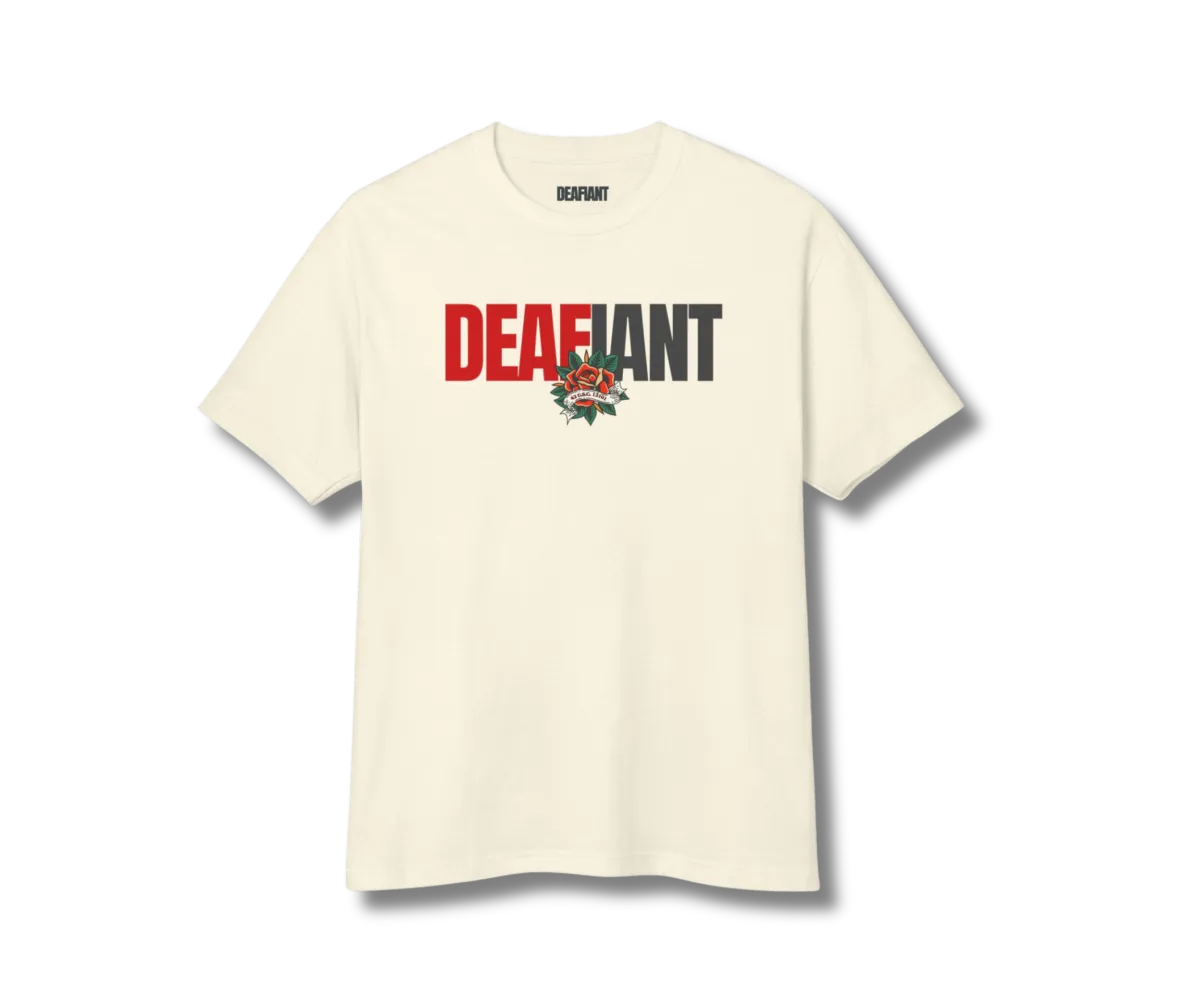
From Silence to Purpose.
The DEAFIANT Movement isn’t just for the Deaf — it’s for everyone who believes silence should never mean invisibility.
Every purchase, every share, every conversation helps raise awareness, build access, and amplify voices the world too often ignores.
When you support DEAFIANT, you’re not just buying apparel —
you’re fueling advocacy, education, and representation.
You’re helping build a world where no one has to fight to be included.
This is how movements start — one story, one voice, one act of courage at a time.
Together, we can make accessibility standard, visibility normal, and inclusion expected.
Join me. Wear it. Live it.
Be DEAFIANT.
For His glory, not mine — every voice has purpose.
DEAF-OWNED. DEAFIANTLY OPERATED.